What Prison Reform Looks like Day to Day
This week, I’ll be sharing my thoughts on why prison reform and inmate rehabilitation matters more than ever. First, we need to ask a crucial question; what does prison reform and inmate rehabilitation look like?
It can look like a lot of things. It can look like teaching inmates job skills and art technique, as discussed in my post about The Pros and Cons Arts Program. It can also involve initiatives to keep families connected while a loved one is inside a prison facility (more on that next week, where I’ll feature an interview with the executive director of Motherhood Beyond Bars, a non-profit based in Atlanta).

Beyond that, inmate rehabilitation and prison reform also involves improved mental health care.

In my post about the life and legacy of Soleiman Faqiri, I talked about how a judge ordered that Soleiman be moved to a mental health facility so he could be properly treated (spoiler alert: that never happened).
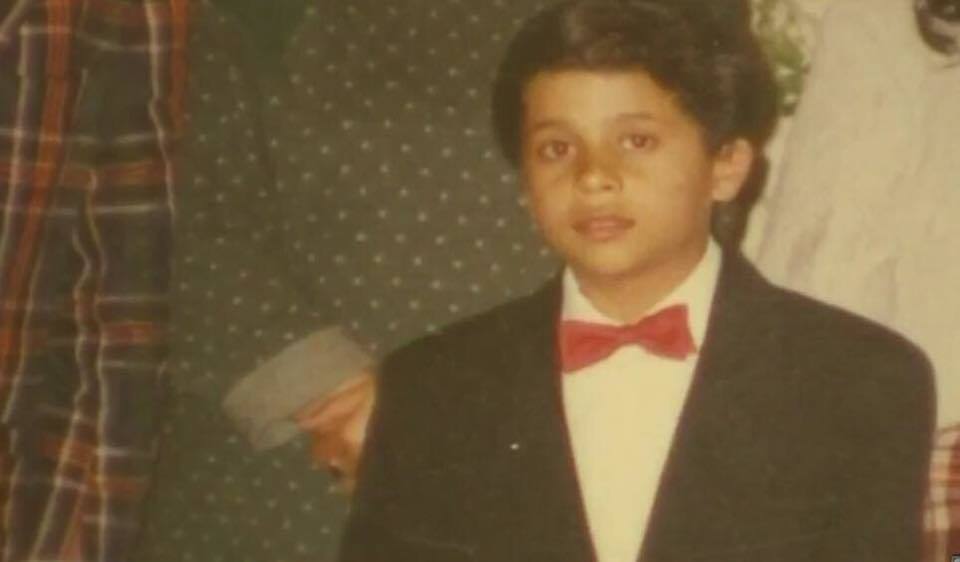
Why did a judge order to have Soli moved? It’s simple; prison is not set up to properly care for people with mental health struggles.
This article by David Dunford and Andrew Haag does a good job of articulating how mental health courts (MHC) can help lower the recidivism rates in Canada and The United States of America.
So, why does any of this matter?
Well, with the rising cost of living expenses, mental health care is becoming more and more inaccessible. Meaning, there is a good chance it’s affecting the rate at which people are getting sent to jail or prison.
Something that we’re unfortunately seeing even more of now is people purposefully trying to get arrested to obtain healthcare and other basic necessities in jail. The rising cost of housing, groceries, mental health care, medical care and other basic necessities are all linked to high rates of recidivism in Canada, and our government needs to act fast. Without help from municipal, provincial and the federal government, mental health issues amongst Canadians will only continue to rise.
Unfortunately, the government is slow to act on such causes. Soleiman Faqiri was murdered in jail in December of 2016, and still the government of Ontario has not issued any apology, nor has anyone been held accountable. He was in solitary confinement with multiple guards, and was left covered in bruises, according to the coroner’s report. Our government cannot and should now allow this to happen. No family should have to wait `10 years for justice.
Something that Soleiman’s brother mentioned during my interview with him that his family is incredibly privileged to be able to fight this hard. In Canada there are single parents, people who don’t fluently speak English or French, who have suffered the same loss and lack of justice at the hands of our government, and who do not have the same resources to fight.
If you’re interested in learning more about how you can get involved, head over to Rise and Reform on Instagram. I will be posting regular updates about how you can get involved and which non profits you can read up on. I will also report on activists like Yusuf Faqiri, who are doing the work to activate real change and need your support. It may sound overwhelming, but even a quick like can hold a lot of power.
If you made it this far, I am grateful for your support. Thank you for reading. See you next week.


 Rise and Reform
Leave a comment