Hear me out
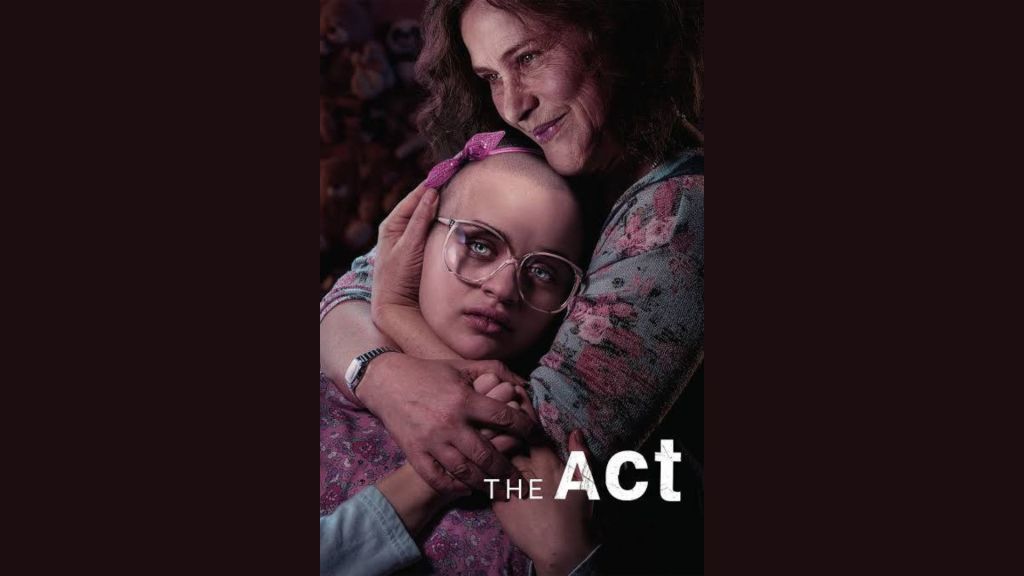
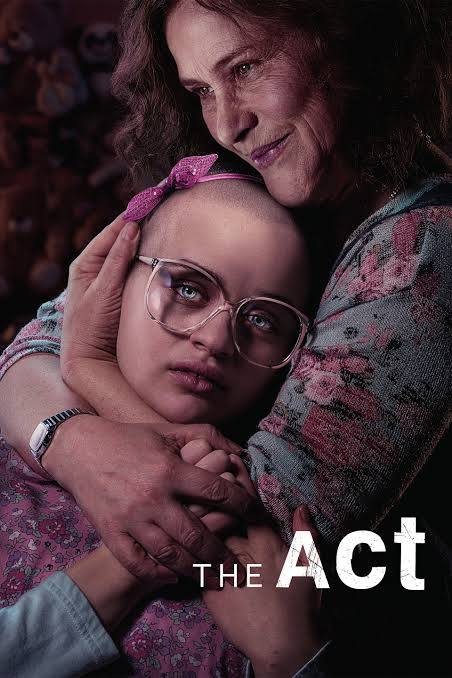
If you’ve flipped through Prime or Crave over the last couple of months, you’ve probably seen that The Act, and several documentaries, reality shows, and interviews about Gypsy-Rose Blanchard have been trending.
Here is my hot take: I do not believe that Gypsy-Rose Blanchard should have been sent to prison. Yes, I know that might be a very controversial thing to say, but hear me out.
If you don’t know who Gypsy-Rose Blanchard is, she became famous after she conspired a plan with her boyfriend to murder her mother, Dee Dee Blanchard.
Reading that sentence on its own, it is really easy to assume that Gypsy-Rose Blanchard belonged in prison. There is a lot more to the story, though.
Gypsy-Rose Blanchard was born in Louisiana on July 27, 1991. Her father wasn’t in the picture, and her mother had munchausen syndrome by proxy. So basically, Dee Dee Blanchard pretended Gypsy-Rose had a multitude of illnesses, even fooling Gypsy-Rose’s doctors. She wanted to convince people her daughter was sick to garner attention from her peers.

Dee Dee Blanchard convinced friends, neighbours, and even doctors that Gypsy-Rose Blanchard was sick.
Gypsy-Rose Blanchard was subjected to that abuse for most of her life before prison. She was told she was wheelchair bound, and was fed through a feeding tube, underwent unnecessary procedures and was given unneeded medications. She was lied to. That abuse was all she knew. She was raised by someone who, objectively, was not a functioning member of society.
Then, her boyfriend murdered her mother. Gypsy-Rose Blanchard was sentenced to 10 years in prison, but served eight and a half years. After leaving the only life she knew, she was put behind bars with other people who the criminal justice system deemed were also not functioning members of society.
While she was in prison, there was a very… specific public perception of who she was. People generally put her on a pedestal and impatiently waited for her release from prison. People wanted to see her live a life of freedom. After she was released people looked at her behaviour through the lens of extreme criticism. Several social media accounts criticized her for exhibiting narcissistic traits, lying, seeking attention in ways that were unhealthy, the list goes on. While it seems like Gypsy-Rose Blanchard is getting the mental health support she needs, there are still accusations coming her way.
My question is; what did we expect?
The above video shows a really interesting take on Gypsy-Rose Blanchard’s situation.
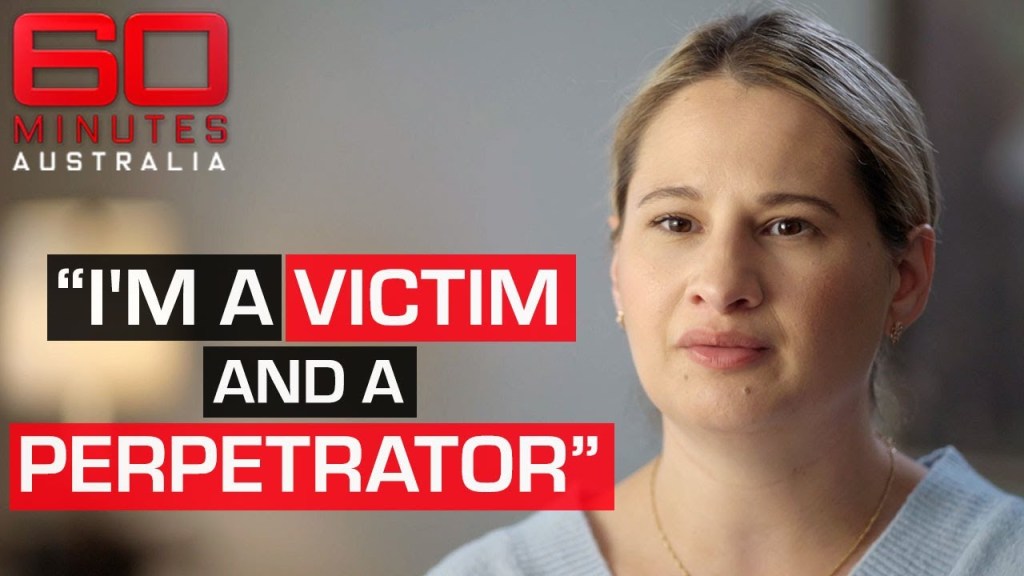
One interesting thing that Delta mentions in that Tiktok, is that she isn’t sure if Gypsy-Rose Blanchard received therapy in prison, but that if she did, she can’t imagine it was very good. Gypsy-Rose Blanchard was put on suicide watch for the first few months in jail, as stated in an interview with 60 Minutes Australia. Is that really the extent of the mental health support she deserved?
Do I think that Gypsy-Rose Blanchard is innocent? No. However, abuse was all she knew. I don’t believe putting her into an institution that would inevitably perpetuate that abuse has done anything to demonstrate how she should be living her life after release.
I’ve talked about this on my blog before. The way that people are treated behind bars is disgusting. Inmates are often physically and verbally abused, and are not given adequate living conditions.
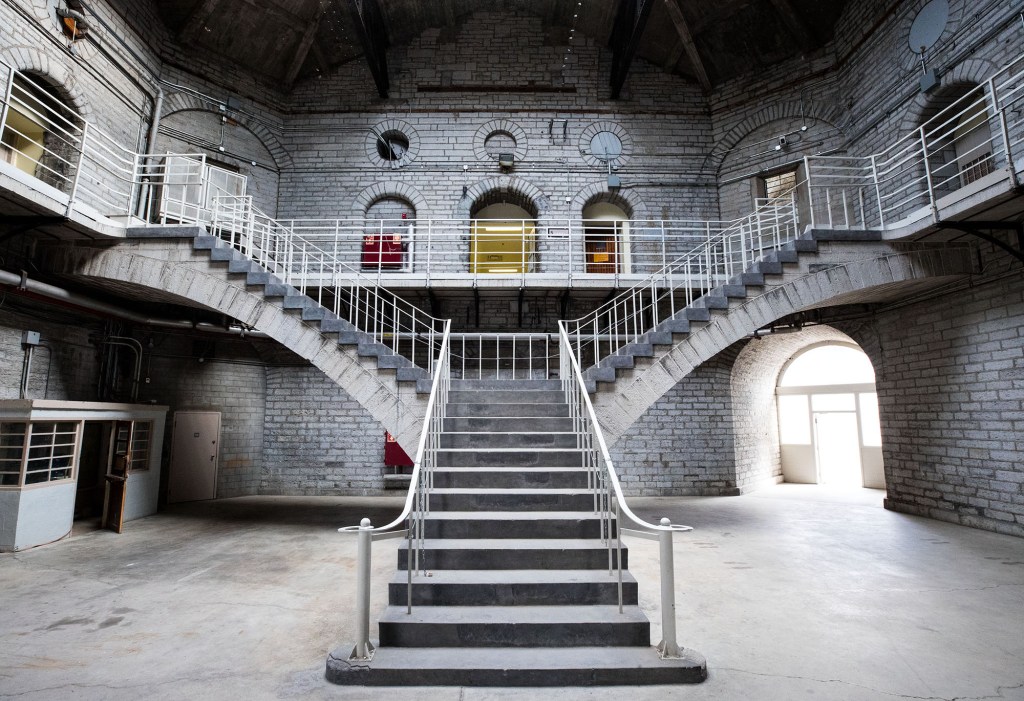
Gypsy-Rose Blanchard is truly a perfect case study for why prisons do not work. Our government needs to create easier access to programs that actually prepare people for life after institution. Mental health treatment, job training, art therapy, life skills coaching would have been a way more appropriate course for Gypsy-Rose Blanchard.
At the end of the day, I know a lot of people in prison have done a lot of really, really horrible things. But we need to start thinking about what kind of people we want entering society after prison.
I’m curious to know what you think about this. Do you agree that prison was not the best course of action for Gypsy-Rose Blanchard? Why or why not? Comment below and let me know.
If you or someone you know is affected by munchausen syndrome by proxy, there is help available. Call 2-1-1 in Ontario for more information.

 Rise and Reform
Leave a comment