How Prison is Portrayed in the Media
Right now, I’m watching Brooklyn Nine Nine, and it got me thinking about my blog. If you haven’t seen that show and want a recap, season 5 starts off with Jake Peralta and Rosa Diaz getting arrested and wrongfully put in prison for a bank robbery they didn’t commit. The show mostly shows prison from Jake’s perspective. Unfortunately, we only get a couple of short glimpses into what Rosa’s experience behind bars looked like. On the flip side, we watch Jake become friends with a convicted cannibal, join a gang, get thrown into solitary confinement, and try meth.
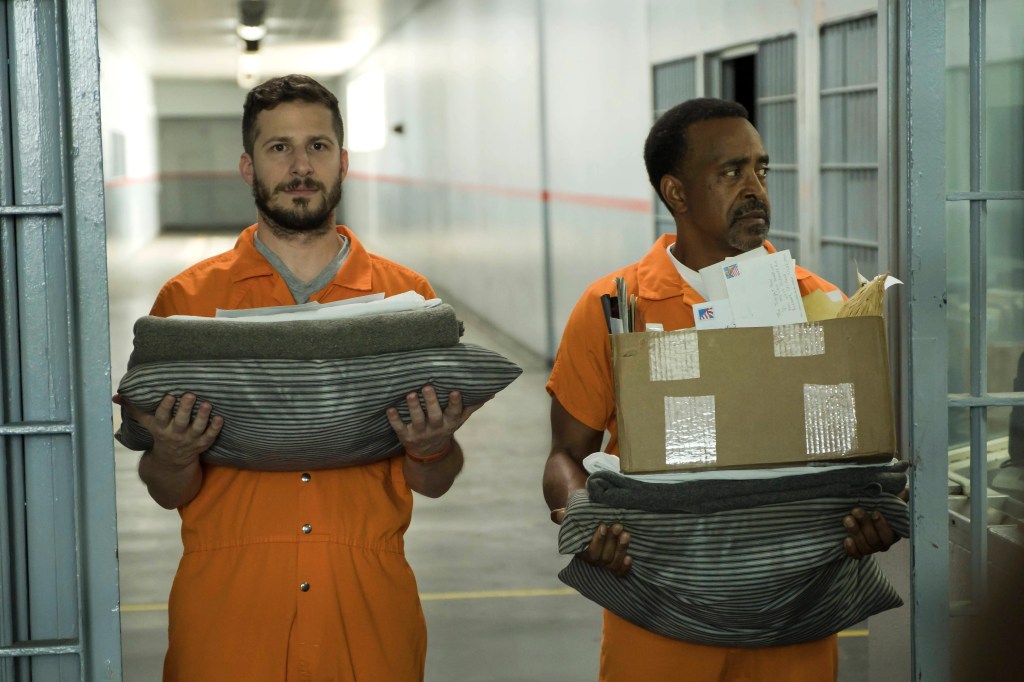
Through all of that, we also watch Jake struggle to keep his connection with his wife and friends on the outside of prison. He is given limited visiting hours, and his friends live too far away from the jail to visit on a frequent basis, so his only hope to stay connected is a secret cell phone that ends up getting him in a lot of trouble with his warden.
On the other hand, the only real scenes we see of Rosa in prison shows her talking to her former coworkers through glass and a phone. Her old bosses, Raymond Holt and Terry Jeffords come to visit her and eventually help her maintain her former life through tasks that she asks them to complete on her behalf. They end up trying to cancel her cable, taking her motorcycle out for maintenance, and calling her grandmother to let her know about Rosa’s sentencing. Rosa also talks about how she had to earn respect from other inmates by starting a bunch of riots.
Through both Jake and Rosa’s stories, one commonality remains. Both of them fight to stay connected to other people, both in and out of prison. They both fight to find connections inside prison, and fight to stay connected to their friends and family outside their prisons. The audience sees both Jake and Rosa struggle to maintain normalcy in their lives through their connections with other people.
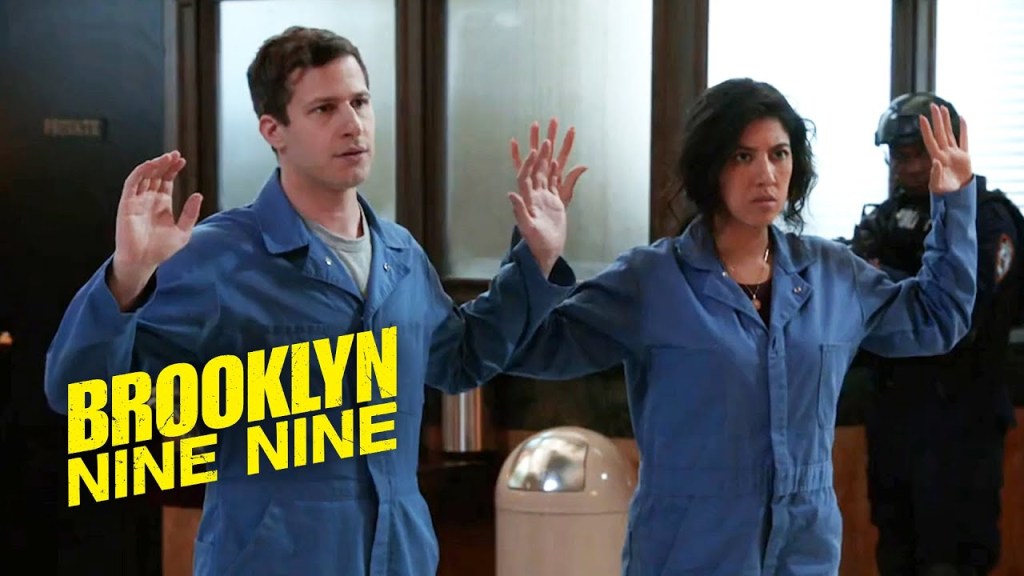
One thing that stuck with me the most through this Brooklyn Nine Nine storyline was Captain Holt calling Rosa by her name as many times as possible while visiting. He stated that one destabilizing act used in prison is the use of numbers instead of names, further dehumanizing inmates inside correctional facilities.
In preparation for this post, I went looking for other examples of prison in the media. I watched a good chunk of Orange is the New Black while it was airing, and rewatched the first episode as a refresher.

The episode shows back and forth scenes of the main character, Piper Chapman before prison, and in prison. The episode shows the intake process and her talking to her family about turning herself in. It also shows some of the very real struggles people face with their commissary accounts when entering the prison system. Before turning herself in, Piper is told she can bring in a cheque to fill in her commissary account, but upon arrival she found that she was given misleading information. She is in a prison in New York, but finds she has to send the cheque to Iowa to process, which could take a couple weeks. The scene provides a little bit of context to an earlier scene that shows Piper in the shower with sandals she made out of sanitary products.
Similarly to Brooklyn Nine Nine, Piper is eager to stay connected to her fiance.
The show is based on the real life story of Piper Kerman, who wrote a memoir about her story. There is, however, a little bit that was fictionalized for the sake of tv.

In both Orange is the New Black and Brooklyn Nine Nine, the need for human connection is prevalent. Connection with your friends and family plays such a strong role in improving your mental health, it’s no surprise that prison purposefully tries to remove that from your life as much as possible. Prison is absolutely not built to rehabilitate people.
In the past I’ve reviewed a documentary called The Quilters, and a movie called Sing Sing. I find it really interesting to be able to review and talk about so many forms of media that showcase the experience inside prison. The commonality between every piece of media I’ve watched so far is the desire for connection.
If you’ve seen another show that showcases characters inside prison, please comment your recommendations below!

 Rise and Reform
Leave a comment